Albany Plumbing Pros Blog
Why Chemical Drain Cleaners Are Ruining Your Albany Home's Pipes
Think twice before pouring that bottle down the drain. Here is the hidden damage harsh chemicals cause, and what works better.
The Short Answer
Chemical drain cleaners can clear some clogs, but they can also soften plastic pipes, eat at metal ones and wear out the seals that hold your plumbing together. They often fail to remove the whole clog, so the problem comes back. If you own an older Albany home, use a septic system or deal with repeat clogs, skip the bottle. A plunger, a drain snake and an occasional professional cleaning do the same job with far less risk. This guide explains what happens inside your pipes and what to do instead.
What Is Actually Inside Those Bottles
Most liquid drain openers rely on one of three chemistries. Caustic cleaners use lye, also called sodium hydroxide or potassium hydroxide, to break down grease and hair. Acid cleaners use sulfuric or hydrochloric acid and are harsher still. Oxidizing cleaners use bleach, peroxides or nitrates to dissolve organic matter.
All three work by starting a fast chemical reaction, and that reaction gives off heat. Your pipe cannot tell the difference between a clog and its own walls. The same heat and corrosion that attack the blockage also attack the plumbing around it.
How Each Part of Your Plumbing Reacts
Albany homes contain a mix of materials, depending on when they were built. Here is what chemicals can do to each one.
| Pipe or part | Where you find it | What chemicals can do |
|---|---|---|
| PVC and ABS drains | Newer homes in Albany and Lee County | Heat can soften and warp the pipe walls and loosen joints at traps and fittings |
| Cast iron drains | Older Albany homes | Acids strip protective coatings and speed up rust and pitting |
| Galvanized steel | Older supply lines and some drains | The zinc coating wears away, leading to corrosion and pinhole leaks |
| Copper | Supply lines and some drain applications | Acidic products can pit the surface over time |
| Rubber seals and gaskets | Every trap and fitting | Seals harden and crack, and leaks may not appear for months |
| Toilet bowls | Every home | Intense heat from a reaction can crack porcelain |
Damage from a chemical cleaner is often hidden. You may not notice a problem until a joint starts to drip behind a cabinet or a corroded section finally fails.
Why Chemicals Often Fail to Fix the Clog
Most household clogs are layered. Hair, soap scum, grease and food particles stack up on the pipe wall. A chemical product often burns a narrow channel through the middle and leaves most of the blockage behind. Water runs for a few days, then the clog returns.
In kitchen drains, heat can melt grease that later cools and hardens farther down the line. That makes the next clog worse. If the real cause is a tree root, a cracked pipe or a sagging section that holds water, no chemical will fix it. A clog that returns in the same spot is a sign of a mechanical problem, not a chemical one.
A Special Warning for Septic Systems
Many homes in rural Dougherty County and across Lee, Worth, Baker and Terrell counties use septic systems instead of public sewer. A septic tank depends on living bacteria to break down waste. Heavy or repeated use of strong chemicals and bleach can harm those bacteria and upset how the tank works. If you are on septic, avoid chemical drain openers altogether.
Safer Ways to Clear a Slow Drain
Try these before you reach for a bottle
- Use a plunger with a firm seal. A cup plunger suits sinks and tubs, and a flange plunger suits toilets.
- Use a hand drain snake to pull out hair and debris in tubs and sink drains.
- Remove and clean the P-trap under the sink. Put a bucket under it first.
- Install a drain screen to catch hair and food before they enter the pipe.
- Rinse kitchen drains with hot tap water after washing greasy dishes. Hot is fine, but avoid pouring boiling water onto PVC.
- Use an enzyme-based cleaner for monthly maintenance. It works slowly and is gentler, but it will not clear a hard clog.
When It Is Time to Call a Plumber
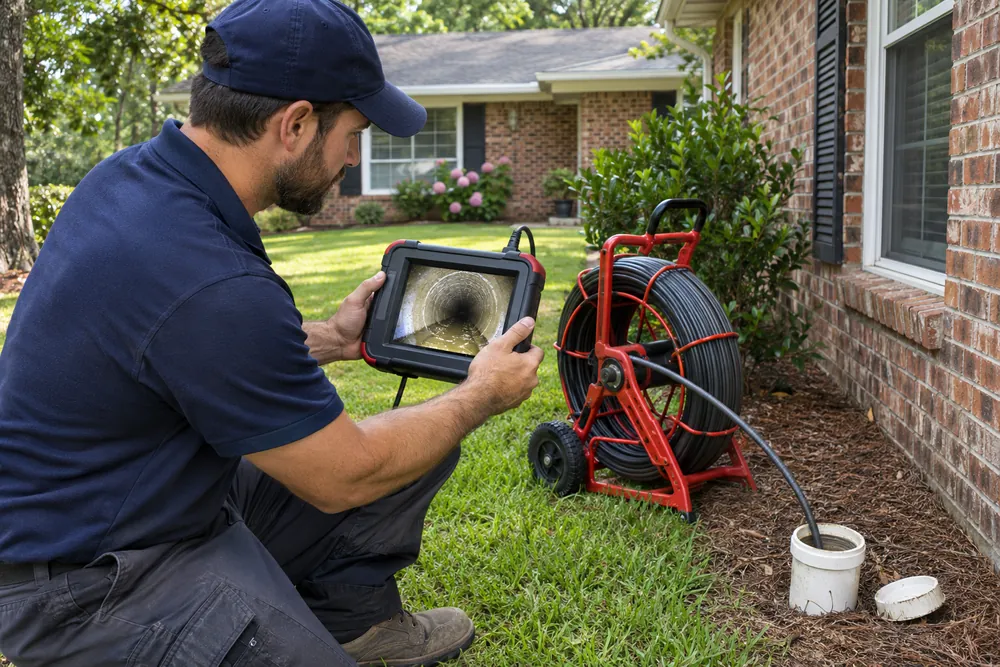
Call a professional if the same drain clogs more than once a season, if several fixtures slow down together, or if you smell sewage. A plumber can use a cable machine or high-pressure water jetting to clean the pipe wall, and a camera shows what is really going on inside the line. Homeowners across the Albany area call our plumbers in Albany, GA for exactly this kind of problem, and we make the same calls in Leesburg and nearby towns.
If you have already used a chemical cleaner, tell the plumber. Standing product can splash when a pipe is opened, and the plumber needs to protect skin and eyes.
If you already used a drain cleaner
Do not add a second product, and never mix cleaners. Combining bleach with acid or ammonia-based products can release toxic gas. Open a window and keep children and pets away. If a product touches skin or eyes, flush with water and call Poison Control at 1-800-222-1222.
Common Myths About Drain Cleaners
Many homeowners believe a stronger product means a better result. In practice, the opposite is often true. Here are three myths we hear on service calls.
- "If it works once, it is safe." A product can clear a clog and still weaken a joint or seal that fails weeks later.
- "Hot water and chemicals together work faster." Adding heat to an already hot reaction raises the risk to plastic pipe and to your skin.
- "Septic tanks can handle it." Tanks rely on bacteria. Strong chemicals and large amounts of bleach can disturb them.
Prevention beats cleanup. Keep grease out of kitchen drains by wiping pans before washing, put a screen over every shower and tub drain, and flush only toilet paper. These habits cost almost nothing and prevent most household clogs.
The Bottom Line
A bottle of drain cleaner looks like a cheap, fast fix. In practice, it can turn a $150 clog into a replacement job. Mechanical methods are safer for your pipes, your septic tank and your family. When a drain keeps failing, have a plumber find the real cause.
Have a plumbing problem right now? Call (866) 310-6010 and a plumber answers day or night.
Drain Cleaner Questions
Yes. The heat from a chemical reaction can soften or warp PVC, especially at joints and traps. Repeated use raises the risk of leaks.
Enzyme cleaners are much gentler and are fine for monthly maintenance. They work slowly and will not clear a solid blockage.
Try a hand snake or remove the P-trap. If the drain still does not clear, call a plumber instead of adding chemicals.
Jetting is very effective on grease and roots. We recommend a camera look first so we can judge the condition of the pipe before cleaning it.
Need a Plumber Right Now?
Call any time. A real person answers day and night, including weekends and holidays.